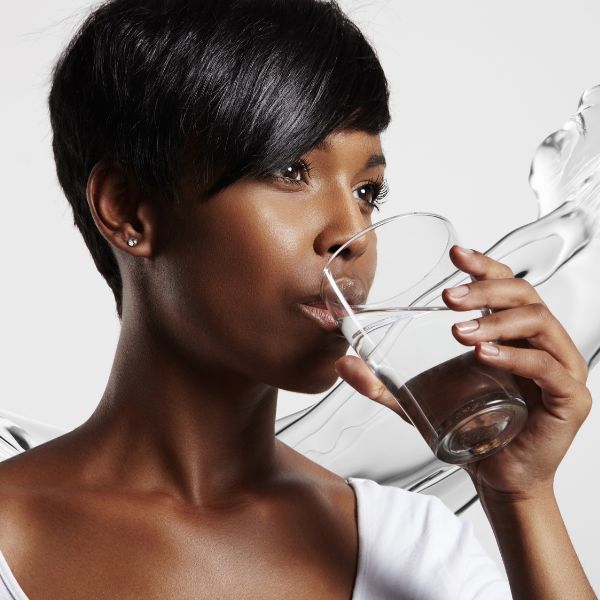
Why Hydration Matters During Workouts: How Much Water Do You Really Need?
You probably already know that drinking water is important. But when you're working out, staying hydrated becomes even more important.
Whether you're going for a walk, lifting weights, doing cardio, or taking an intense workout class, your body loses water through sweat. Replacing those fluids helps support your body while you exercise and recover.
And if you're wearing sauna wear that increases perspiration, paying attention to hydration becomes even more important.
So, how much water do you really need during a workout?
Let's break it down.

Why Does Hydration Matter During Exercise?
Water plays an important role in many of the body's everyday functions, including regulating body temperature and supporting physical performance.
When you exercise, your body temperature rises. Sweating is one of the ways your body cools itself down.
If you lose more fluid than you replace, dehydration can affect how you feel and perform during your workout.
Staying hydrated can help you:
Support normal physical performance
Regulate body temperature
Replace fluids lost through sweat
Feel more comfortable during exercise
Support recovery after your workout
Hydration isn't about drinking as much water as possible. It's about replacing the fluids your body loses.
What Happens When You Don't Drink Enough Water?
Even mild dehydration can make exercise feel more difficult.
You may notice:
Increased thirst
Dry mouth
Fatigue
Headache
Dizziness
Darker-than-usual urine
Reduced exercise performance
If you feel unwell during a workout, especially in hot conditions, don't try to push through it. Stop, cool down, and rehydrate.
How Much Water Should You Drink Before, During and After a Workout?

There's no single amount of water that works for everyone.
Your hydration needs depend on factors such as your body size, workout duration and intensity, the temperature, and how much you sweat.
Before Your Workout
Start your workout hydrated rather than waiting until you're thirsty.
Have water throughout the day and drink some before exercising, particularly if you're going to be active for a longer period.
During Your Workout
Take regular sips of water throughout your workout.
For shorter, less intense workouts, water is usually enough for most people.
If you're exercising for a long time, training intensely, or sweating heavily, your fluid and electrolyte needs may be higher.
After Your Workout
Rehydrate after exercising to replace fluids lost through sweat.
A simple habit is to keep your water bottle nearby after your workout rather than immediately putting it away.
Does Sweating Mean You Need More Water?
Usually, yes.
Sweating is your body's way of helping regulate its temperature. The more you sweat, the more fluid you may need to replace.
However, more sweat doesn't automatically mean a better workout or more fat loss.
Sweating primarily represents fluid loss.
This is particularly important to remember when using sauna wear, which is designed to increase perspiration during exercise.
Hydration and Sauna Wear

Sauna wear is designed to help increase perspiration during exercise by retaining more heat around the body.
That extra sweating means hydration should be an important part of your workout routine.
If you're wearing sauna clothing:
💧 Drink water before your workout.
💧 Take regular breaks and sip water during exercise.
💧 Rehydrate after your workout.
💧 Pay attention to how your body feels.
Sauna wear should never be used as a substitute for proper hydration or as a way to force excessive sweating.
If you feel dizzy, unusually weak, nauseous, confused, or unwell, stop exercising and cool down.
Signs You May Need to Drink More Water
Thirst is an obvious signal, but it isn't the only one.
Pay attention to how you feel throughout the day and during exercise.
Some signs that you may need more fluids include:
Dark Urine
Urine that is consistently darker than usual can be a sign that you need more fluids. Urine colour can also be affected by certain foods, supplements, and medications, so consider it alongside other signs.
Feeling Very Thirsty
Don't ignore persistent thirst, particularly when you're exercising or spending time in hot weather.
Feeling Tired or Lightheaded
Fatigue or lightheadedness during exercise can have many causes, including dehydration.
If you feel dizzy or unwell, stop exercising and give your body a chance to recover.
7 Simple Ways to Drink More Water
If you struggle to drink enough water, you don't need to completely change your routine.
Try these simple habits instead.
1. Keep a Water Bottle Nearby
At your desk, in your car, or in your gym bag, make water easy to reach.
2. Drink Water When You Wake Up
Start your day with a glass of water before getting caught up in everything else.
3. Drink Before Your Workout
Don't wait until you're already thirsty or sweating heavily.
4. Take Your Bottle to the Gym
If you have water with you, you're more likely to drink it.
5. Set Simple Reminders
A reminder on your phone can help if you regularly forget to drink water.
6. Make Water More Interesting
Add fresh ingredients such as:
Lemon
Cucumber
Mint
Strawberries
Berries
Orange slices
Let the ingredients infuse in your water for a refreshing flavour boost.
7. Make Hydration Part of Your Routine
Instead of thinking about hydration as something you have to remember, connect it to habits you already have.
Drink water when you wake up, before meals, before workouts, and after exercising.
Small habits are easier to maintain.
What About Electrolytes?
Water isn't the only thing you lose when you sweat.
Sweat also contains electrolytes, including sodium.
For everyday, shorter workouts, water and a balanced diet are generally enough for many people.
For longer or particularly sweaty workouts, especially in hot conditions, replacing electrolytes may be useful.
Your individual needs can vary, so listen to your body and consider professional guidance if you're unsure about your hydration needs.
Make Hydration Part of Your Fitness Routine
You don't need a complicated hydration plan.
Keep your water bottle nearby. Drink throughout the day. Hydrate around your workouts. Pay attention to how your body feels.
And remember that your workout isn't just about how much you sweat, it's about moving your body consistently and taking care of yourself along the way.
Working Out in Sauna Wear?

Don't forget to hydrate.
The PhatKool Workout Sauna Romper with Stretch Fit & Pockets is designed to help enhance perspiration during exercise while giving you the flexibility and comfort you need to move.
With sweat-enhancing sauna fabric, a stretch fit, built-in bust support, and convenient side pockets, it's designed for workouts, walks, cardio, and active days.
Pair your sauna wear with smart hydration habits and a workout routine you can actually stick with.
👉 Shop the Workout Sauna Romper
The Bottom Line
Hydration is one of the simplest ways to support your workouts, but it's easy to overlook.
Drink regularly throughout the day, hydrate before and after exercise, and take regular sips during your workout.
If you're sweating heavily, especially while wearing sauna wear, make hydration a priority.
Your body works hard for you. Give it the water it needs.
Stay hydrated. Stay active. Stay confident. 💜

